
Thursday, February 28, 2019

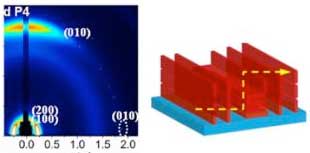
Organic electronics: A high-performance unipolar n-type thin-film transistor

This achievement heralds an exciting future for organic electronics, including the development of innovative flexible displays and wearable technologies.

Layering titanium oxide's different mineral forms for better solar cells
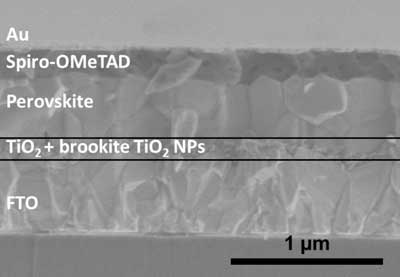
Researchers layer two different mineral forms of titanium oxide to improve electron flow at the negative electrode for better metal halide perovskite-type solar cells.

An easier way to engineer plants

Researchers use nanoparticles to deliver genes into plant chloroplasts.

Nanotechnology makes it possible for mice to see in infrared
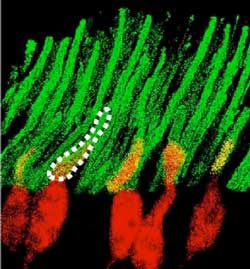
A single injection of nanoparticles in the mice's eyes bestowed infrared vision for up to 10 weeks with minimal side effects, allowing them to see infrared light even during the day and with enough specificity to distinguish between different shapes.

Hall effect becomes viscous in graphene
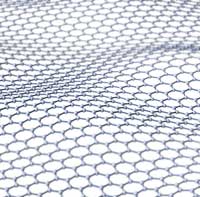
Scientists have discovered that electrons in graphene act like a very unique liquid.

New blueprint for understanding, predicting and optimizing complex nanoparticles

Guidelines have the potential to transform the fields of optoelectronics, bio-imaging and energy harvesting.

Hybrid material may outperform graphene in several applications
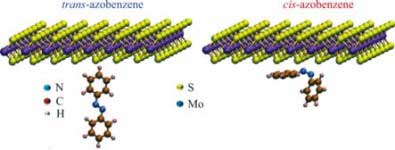
A structure comprising a molybdenum disulfide monolayer on an azobenzene substrate could be used to build a highly compactable and malleable quasi-two-dimensional transistor powered by light.