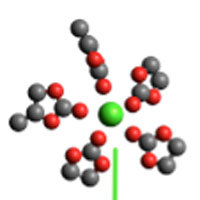
 A new study has combined experimental and theoretical approaches to study the passivation layers formed on calcium metal electrodes and their influence on the reversible operation of calcium-based batteries.

Monday, September 28, 2020
Borate-based passivation layers enable reversible calcium batteries
A new study has combined experimental and theoretical approaches to study the passivation layers formed on calcium metal electrodes and their influence on the reversible operation of calcium-based batteries.

Avoiding environmental losses in quantum information systems
 New research has revealed how robust initial states can be prepared in quantum information systems, minimising any unwanted transitions which lead to losses in quantum information.
New nanochannels make lithium batteries charge faster
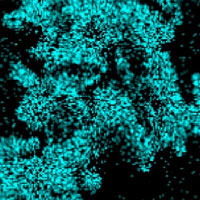 Researchers found out that by nanostructuring graphite, new 'paths' will be created for lithium ions. This makes the battery charge faster.
Speaking with neurons through nanostructured neural electrodes
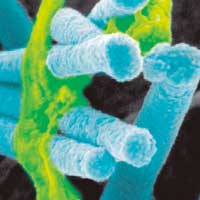 Researchers have designed improved flexible thin metal electrodes with nanotopography for a more intimate interfacing with neurons.
Noble metal clusters can enhance performance of catalysts and save resources
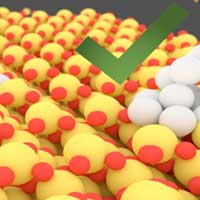 Lower-cost production thanks to optimized distribution of atoms.
Terraced graphene for ultrasensitive magnetic field sensor
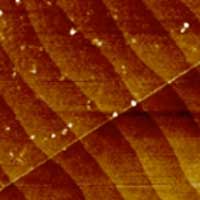 Physicists have developed a sensitive two-dimensional (2-D) magnetic field sensor, which can potentially improve the detection of nanoscale magnetic domains for data storage applications.
Saturday, September 26, 2020
Roadmap points out the directions for quantum materials
 Twenty-nine leading experts of materials science, quantum information, condensed-matter physics and related areas review the diverse materials and challenges in the field. The roadmap points out the directions in which new research is necessary, combining both fundamental and applied interests, such as quantum computing.
Subscribe to:
Posts (Atom)