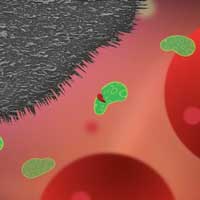
 Graphite nanoplatelets integrated into plastic medical surfaces can prevent infections, killing 99.99 per cent of bacteria which try to attach - a cheap and viable potential solution to a problem which affects millions, costs huge amounts of time and money, and accelerates antibiotic resistance.

Monday, March 23, 2020
Graphene flakes on medical devices kill bacteria and prevent infections
Graphite nanoplatelets integrated into plastic medical surfaces can prevent infections, killing 99.99 per cent of bacteria which try to attach - a cheap and viable potential solution to a problem which affects millions, costs huge amounts of time and money, and accelerates antibiotic resistance.

Graphene cleans water more effectively
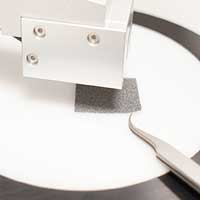 Graphil is a project that aims to create a market prototype for a new and improved way to purify water, using graphene.
How do you power billions of sensors? By converting waste heat into electricity
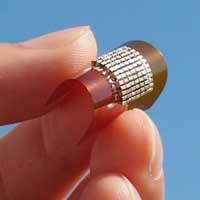 Scientists have revealed how the thermoelectric effect, or converting temperature differences into electricity, can be optimally used to power small, flexible devices. Their study has shown why thermoelectric device performance to date has not yet reached its full potential.
Wearable strain sensor based on optical transmittance of a CNT-embedded elastomer
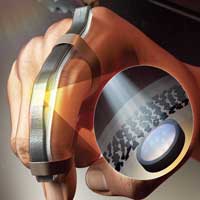 Rsearchers have developed a novel wearable strain sensor based on the modulation of optical transmittance of a carbon nanotube (CNT)-embedded elastomer. The sensor is capable of sensitive, stable, and continuous measurement of physical signals.
Saturday, March 21, 2020
Electric jolt to nanocarbon makes better water purifier
 Scientists have developed a one-step fabrication process that improves the ability of nanocarbons to remove toxic heavy metal ions from water. The findings could aid efforts to improve universal access to clean water.
Friday, March 20, 2020
Putting artificial intelligence to work in the lab
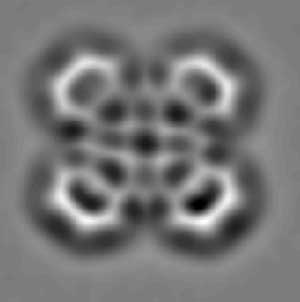 Automated Scanning Probe Microscopy (SPM) controlled by artificial intelligence. First demonstration of fully autonomous, long-term SPM operation.
Researchers studying biomass enabled nanomaterials for desalination and water purification
 Researchers are working to develop a holistic approach to green technology for water desalination and purification to meet societal demands.
Subscribe to:
Posts (Atom)