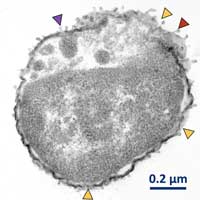
 Motorized molecules activated by light target and drill through highly antibiotic resistant bacteria and kill them within minutes. The molecules can open bacteria to attack by drugs they previously resisted. The strategy could be applied to bacterial infections or diseases on the skin, in the lungs or in the gastrointestinal tract.

Friday, December 13, 2019
Deadly 'superbugs' destroyed by molecular drills
Motorized molecules activated by light target and drill through highly antibiotic resistant bacteria and kill them within minutes. The molecules can open bacteria to attack by drugs they previously resisted. The strategy could be applied to bacterial infections or diseases on the skin, in the lungs or in the gastrointestinal tract.

Researchers perfect nanoscience tool for studies of nuclear waste storage
 The study involved the first-ever use of antimatter to investigate processes connected to potential long-term storage of waste from nuclear reactors.
A new way to induce the quantum anomalous Hall effect
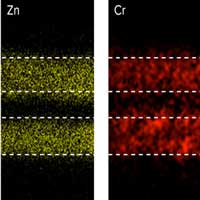 A ferromagnetic layer can induce the quantum anomalous Hall effect in a topological insulator.
Thursday, December 12, 2019
Tiny quantum sensors watch materials transform under pressure
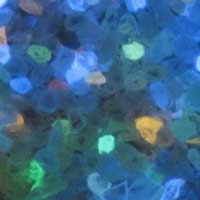 Scientists convert diamonds' atomic flaws into atomic sensors with front-row seats to a quantum world of materials under extreme pressure.
Novel e-skin achieves self-powered hippocampal neural stimulation
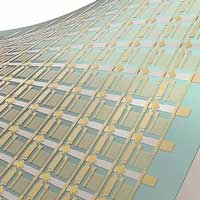 Researchers have developed a flexible electronic skin (e-skin) capable of self-powered neural stimulation and inducing a neural response. The technology will be useful in characterizing synaptic plasticity.
Slippery when wet: how does lubrication work?
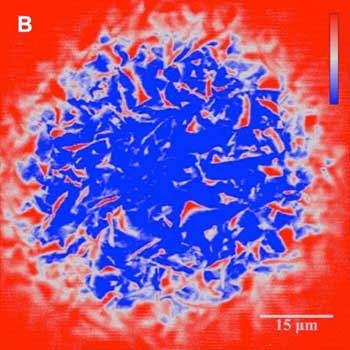 Researchers have developed a new method using fluorescent molecules to directly observe nanometric lubrication films with a sensitivity of a single molecular layer.
Project aims to improve efficiency of evaporation and condensation in critical processes
 Scientists study how evaporation and condensation processes can be improved or controlled at the micro- and nano- level.
Subscribe to:
Posts (Atom)