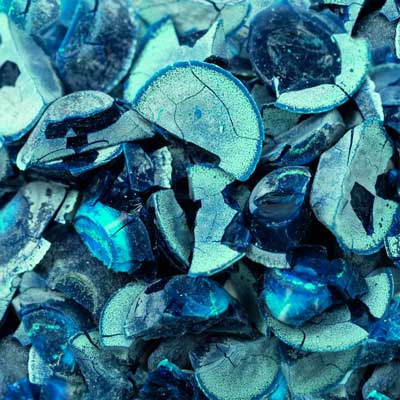
 Scientists have developed a platform that uses nanoparticles known as metal-organic frameworks to deliver a promising anti-cancer agent to cells.

Monday, September 16, 2019
Metal-organic frameworks used to transport anti-cancer agent to cells
Scientists have developed a platform that uses nanoparticles known as metal-organic frameworks to deliver a promising anti-cancer agent to cells.

Researchers resolve catch 22 in graphene based molecular devices
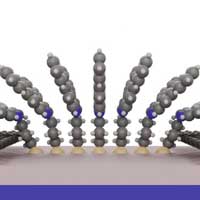 Researchers have found a way past a frustrating catch 22 issue of stability and reproducibility that meant that graphene based junctions were either mechanically stable or electrically stable but not both at the same time.
A combination of wood nanofibres and spider silk could rival plastic
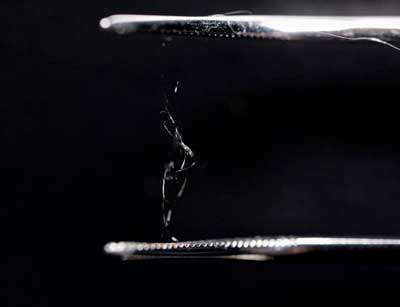 The unique material outperforms most of today?s synthetic and natural materials by providing high strength and stiffness, combined with increased toughness.
Researchers think small to make progress towards better fuel cells
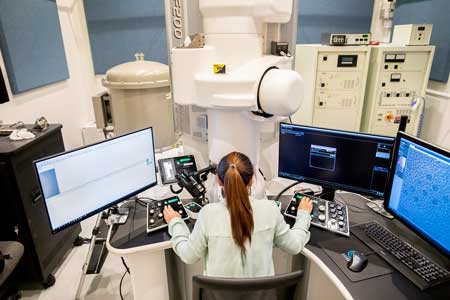 A collaborative study describes how fuel cells, which use chemical energy to power cars and devices, can be developed using nanomaterials to be more cost-effective and efficient in the long term.
Gold nanoantennas help detectors see more heat, less noise
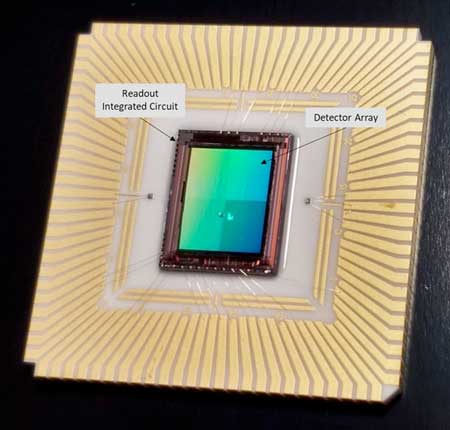 Researchers have developed tiny, gold antennas to help cameras and sensors that 'see' heat deliver clearer pictures of thermal infrared radiation for everything from stars and galaxies to people, buildings and items requiring security.
Snaphots freezing a nanoswing : Accurate position measurement overcomes thermal fluctuations
 Physicists have managed to cool a swinging nanosized string to near-zero temperature without using external refrigeration. In their experiment, the cooling is an intrinsic result of the 'snapshot' position measurement they did on a specially designed nanostructure.
Welcome indoors, solar cells
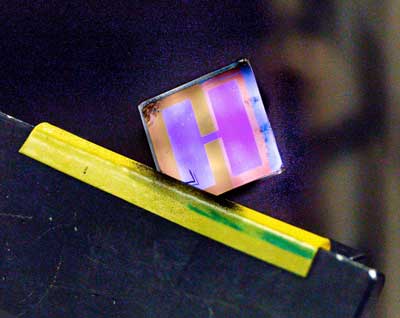 Scientists have developed organic solar cells optimised to convert ambient indoor light to electricity. The power they produce is low, but is probably enough to feed the millions of products that the internet of things will bring online.
Subscribe to:
Posts (Atom)