
Tuesday, December 11, 2018

Chemical engineers develop new theory to build improved nanomaterials

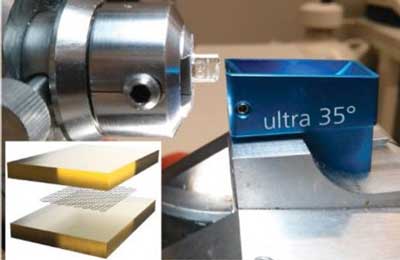
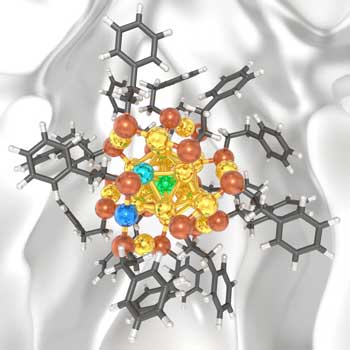
Scientists have developed a new theory to better predict how nanoclusters will behave when a given metal is introduced to their structure.

Boron nitride and silver nanoparticles help get rid of carbon monoxide emissions
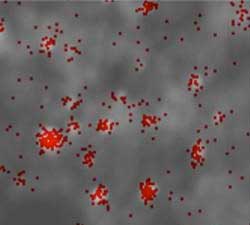
Chemists have developed a new hybrid catalyst for carbon monoxide oxidation consisting of hexagonal boron nitride and silver nanoparticles. This material makes it possible to get a full conversion of carbon monoxide at only 194 degrees Celsius.

Custom-made artificial mother-of-pearl
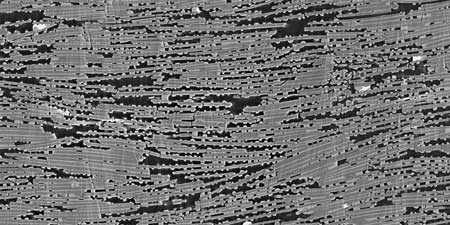
Researchers developed an imitation comparable to mother-of-pearl, the physical properties of which can be specifically adjusted.

Carbon nanotube based electrochemical sensor for fast detection of phenol in wastewater
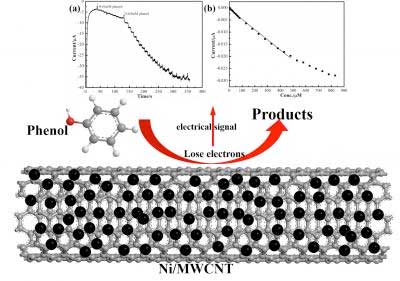
Researchers have discovered a low cost and non-enzymatic phenol sensor that exhibits high sensitivity, good selectivity, reproducibility, and stability which has potential application in phenol detection in discharged wastewater.

Insights into magnetic bacteria may guide research into medical nanorobots
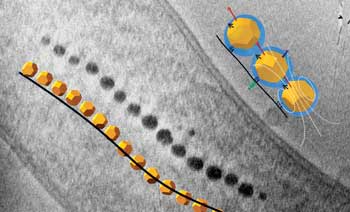
Understanding the behaviour of the magnetic chain in magnetotactic bacteria may lay foundations for bacterial applications such as motors in biological nanorobots, which could perform minor surgical procedures, or deliver drugs to specific places inside the body.

Copper compound as promising quantum computing unit
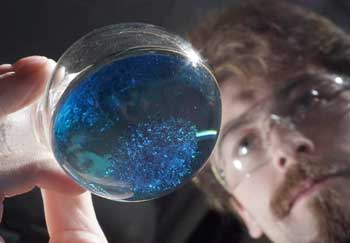
Chemists synthesise molecule as possible component for quantum computers .

Cutting and pasting with graphene

Scientists have developed a method of cutting graphene into smaller fragments using a diamond knife. They can then construct nanostructures from the fragments.