
Thursday, July 26, 2018

Researchers design a nano-carrier to release drugs into damaged cells

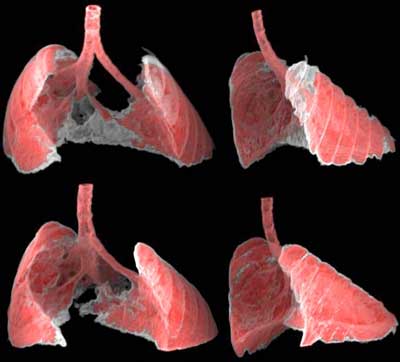
Researchers have devised strategies to eliminate senescent cells. Senescence is a cell program that is triggered by many types of damage and senescent cells are present in many diseases.

Wednesday, July 25, 2018

Scientists use excitons to take electronics into the future
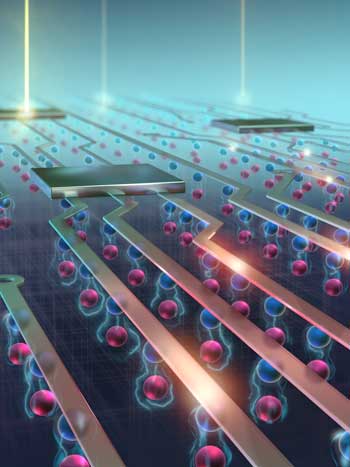
Scientists have developed a transistor based on excitons that is able to function at room temperature. This breakthrough could lead to a new breed of faster, more energy efficient and smaller electronics.

A nanotechnology breath test for early-stage Parkinson's
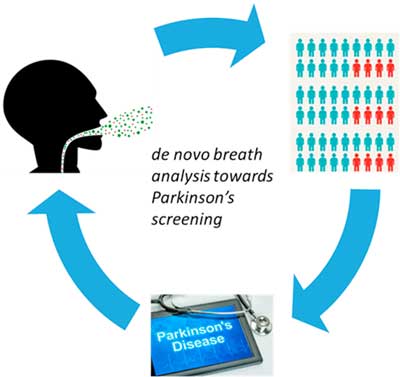
Researchers have developed a device with an array of 40 sensors based on gold nanoparticles or single-walled carbon nanotubes.

DOE grant to study single nanoparticles and their ability to act as electrocatalysts
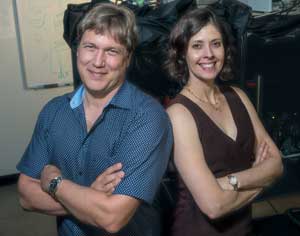
The U.S. Department of Energy's Office of Basic Energy Sciences has awarded researchers $1.1 million to study single nanoparticles and their ability to act as electrocatalysts.

What happens in a solar cell when the lights go out?
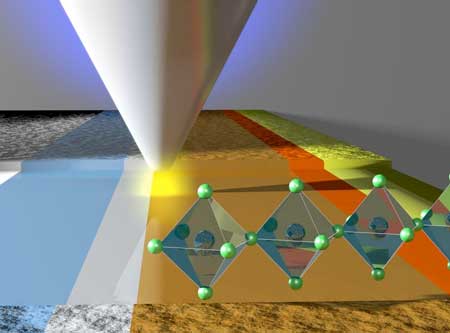
Researchers are now able to measure the processes taking place in a perovskite solar cell with great precision.

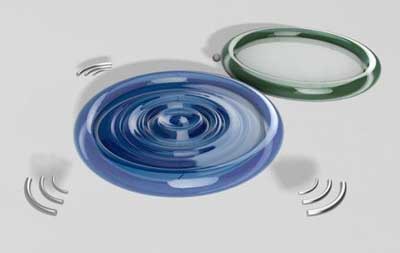
Vibrations at an exceptional point

Scientists have developed a lasing system already adept at producing tiny light packets called photons into a tunable system that also makes little bits of mechanical energy called phonons - the energy products of oscillation, or vibration.

Scientists unlock the properties of new 2D material
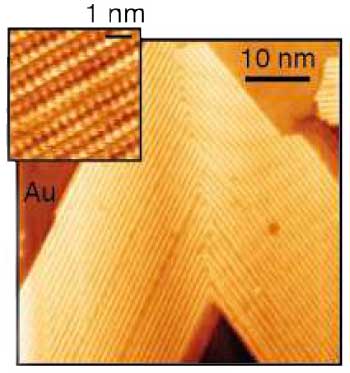
The research succeeded in the first experimental realisation and structural investigation of single-layer vanadium disulphide.