
Thursday, February 15, 2018
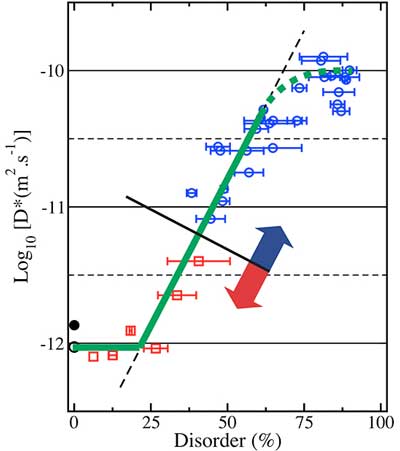
Self-healing damage at the atomic level
Scientists discovered a self-healing cycle for defects in ceramics predicted by advanced atomic-level simulations.

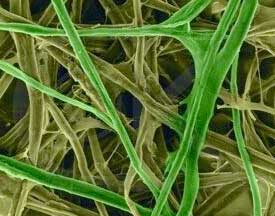
Cheap chemical probe makes it possible to optimize recycling and biofuel production
Processing of plant-based material for recycling and biofuel production is a black box. Not knowing the input makes it almost impossible to predict the output.
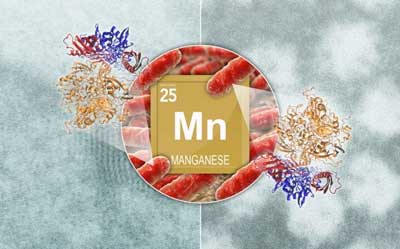
How bacteria produce manganese oxide nanoparticles
Multiple techniques to characterize an enzyme complex shed light on how bacteria create particles and contribute to global cycles.
Nanotechnology researchers discover novel exciton interactions in carbon nanotubes
Nanotechnology researchers studying small bundles of carbon nanotubes have discovered an optical signature showing excitons bound to a single nanotube are accompanied by excitons tunneling across closely interacting nanotubes.
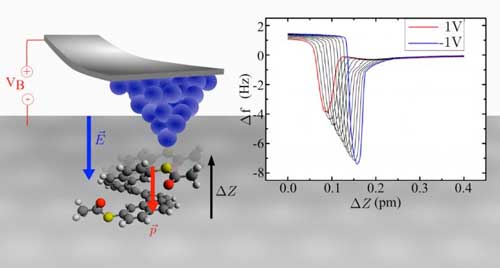
Demonstration of a single molecule piezoelectric effect
Breakthrough provides a new concept of the design of molecular motors, sensors and electricity generators at nanoscale.
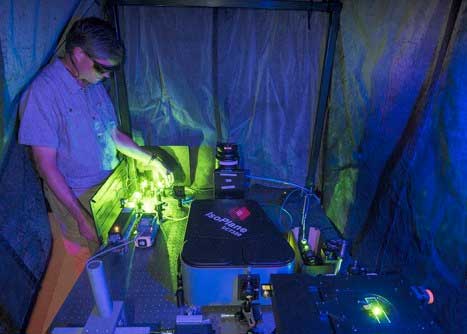
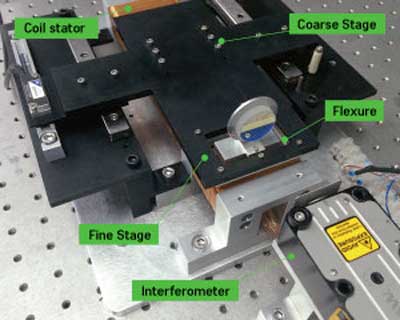
Making light work of nanopositioning
An integrated design strategy lowers the mass and costs of motors that move objects nanometers at a time.
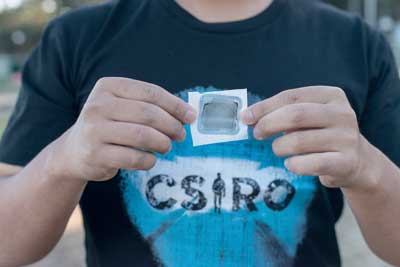
Graphene membranes make Sydney Harbour 'drinkable'
Using their own specially designed form of graphene, 'Graphair', scientists have supercharged water purification, making it simpler, more effective and quicker.
Subscribe to:
Posts (Atom)